
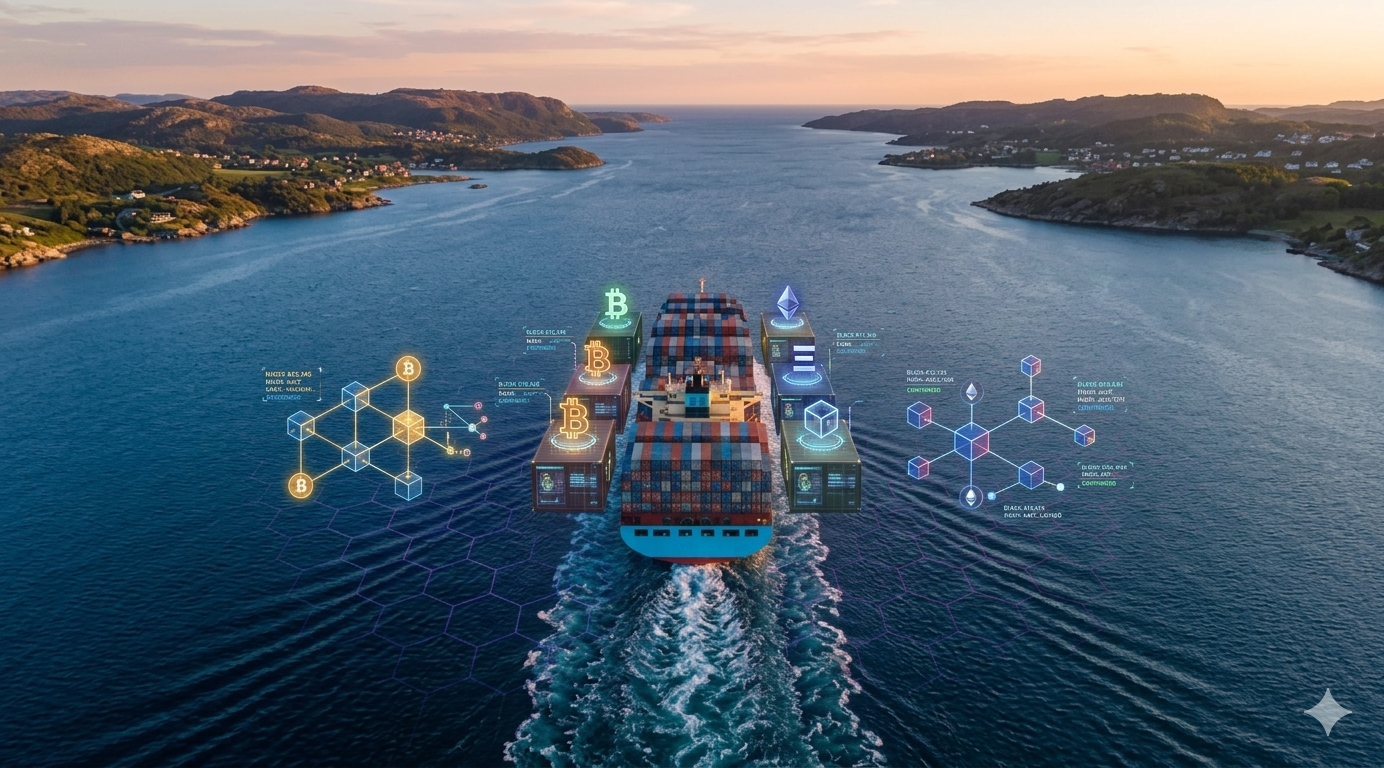
Iran’s Bitcoin Move Signals a Shift in Global Trade
Iran has introduced a new maritime insurance platform called “Hormuz Safe,” allowing shipping companies to settle insurance payments using Bitcoin while moving through the Strait of Hormuz. The initiative comes during a period of rising geopolitical pressure and growing restrictions on international financial access. Instead of relying on traditional banking systems, the platform uses blockchain verification to activate insurance coverage once Bitcoin transactions are confirmed on-chain.
The Strait of Hormuz remains one of the most strategically important shipping routes in the world, carrying a significant share of global oil and energy exports. By integrating Bitcoin into maritime insurance, Iran appears to be building an alternative settlement rail that functions outside the conventional SWIFT-based financial infrastructure. Analysts believe this could become one of the strongest examples yet of a sovereign nation using Bitcoin beyond speculation and turning it into a practical settlement layer for international trade.
How “Hormuz Safe” Could Reshape Shipping Payments
According to reports, the system offers digitally verified insurance certificates for cargo vessels operating in the Persian Gulf and nearby waterways. Payments are settled in Bitcoin, and coverage becomes active almost instantly after blockchain confirmation. This removes several delays associated with banks, intermediaries, and cross-border payment processing. The platform is also expected to provide transparency through cryptographic verification tools that ports and regulators can review digitally.
The larger implication is not only about shipping insurance but also about financial independence. Iran’s move demonstrates how Bitcoin can be used to bypass sanctions-related payment barriers and reduce reliance on the US dollar. Many crypto supporters see this as proof that Bitcoin is evolving into a neutral global settlement asset capable of operating during political and economic conflict. At the same time, critics warn that international shipping firms may still face compliance risks due to sanctions and regulatory pressure tied to Iran-linked financial systems.
Bitcoin’s Expanding Role in Sovereign Finance
This development has sparked major discussion across the crypto industry because it pushes Bitcoin into a real-world sovereign use case. Rather than simply holding Bitcoin as a reserve asset, Iran is reportedly integrating it directly into trade infrastructure. If successful, similar models could eventually appear in other regions where governments seek alternatives to traditional financial rails. The growing use of blockchain-based systems in logistics and supply chain finance also supports the idea that crypto settlement tools may continue expanding into global commerce.
Despite the attention surrounding the announcement, challenges remain. International shipping companies may hesitate to fully adopt the system until legal clarity improves and geopolitical tensions ease. Questions also remain regarding scalability, regulatory acceptance, and how global insurers will respond. Still, the launch of a Bitcoin-settled maritime insurance platform marks another milestone in the ongoing evolution of digital assets within international trade and sovereign finance.
FAQs
What is Hormuz Safe?
Hormuz Safe is a maritime insurance platform launched in Iran that allows shipping companies to pay insurance premiums using Bitcoin for vessels operating in the Strait of Hormuz.
Why is Bitcoin being used for shipping insurance?
Bitcoin enables faster cross-border settlement and reduces dependence on traditional banking systems and international financial networks.
Could this impact global Bitcoin adoption?
Yes, many analysts believe sovereign-level use cases like this could strengthen Bitcoin’s role as a global settlement asset.
Are there risks for companies using the platform?
Companies may face legal and sanctions-related concerns depending on international regulations and geopolitical developments.
Why is the Strait of Hormuz important?
The Strait of Hormuz is one of the world’s busiest energy shipping routes and plays a critical role in global oil transportation.