
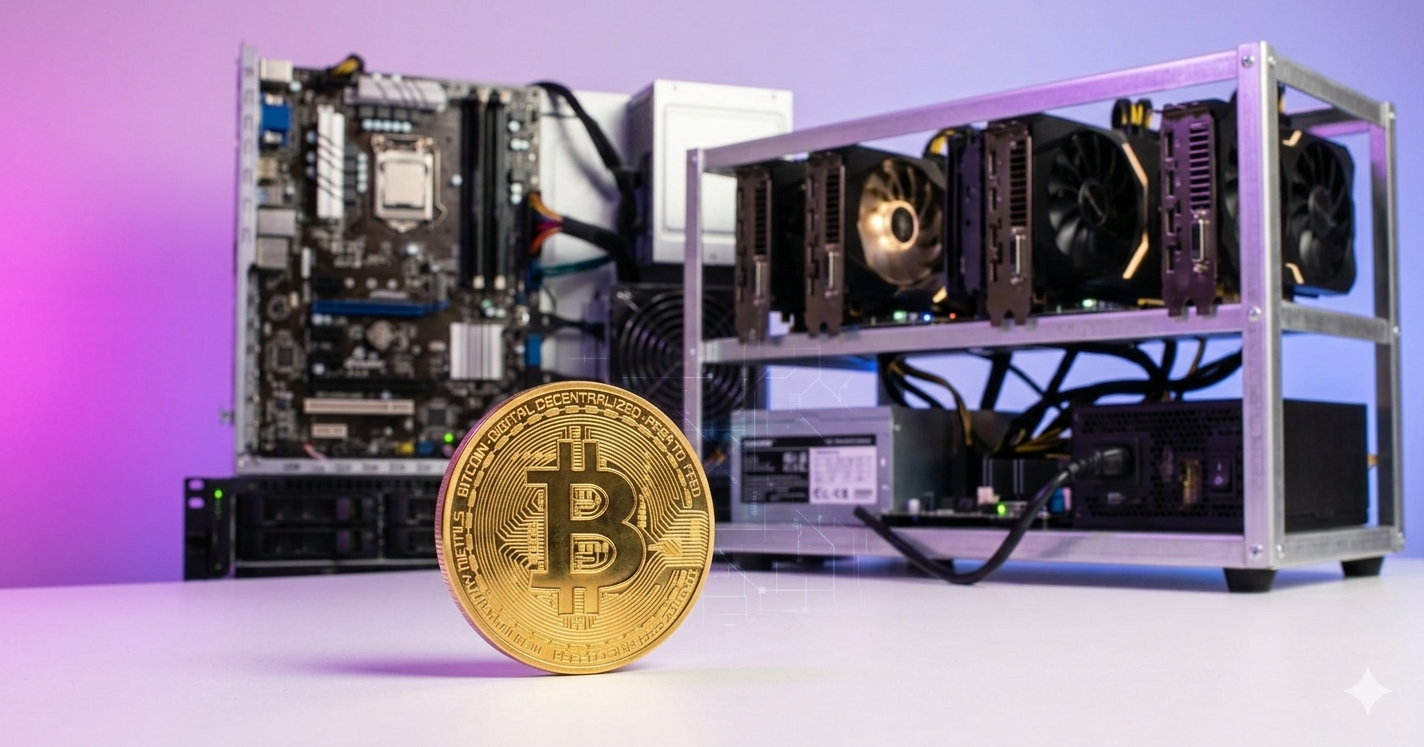
MARA’s Massive Bitcoin Move Draws Market Attention
The crypto industry was recently shaken after reports surfaced that Bitcoin mining giant MARA Holdings sold nearly $1.5 billion worth of Bitcoin. The move quickly sparked discussions across the market because MARA has long been viewed as one of the strongest corporate believers in Bitcoin’s long-term value. Many investors saw the company as a symbol of “hold at all costs” conviction, especially during periods of heavy market volatility.
The reported sale now raises questions about how even the most committed Bitcoin-focused companies are managing risk in today’s unpredictable environment. While some traders interpreted the move as bearish, others believe it was simply a strategic financial decision. Mining companies often need large amounts of cash for operational costs, infrastructure expansion, debt management, and equipment upgrades. Selling a portion of Bitcoin holdings does not always mean a company has lost confidence in the asset itself.
Corporate Treasury Strategies Are Evolving
Over the past few years, many corporations entered the crypto market by adding Bitcoin to their balance sheets. Companies viewed Bitcoin as a hedge against inflation and a long-term store of value. However, the reality of maintaining large crypto reserves has become more complicated as interest rates, energy prices, and mining costs continue to fluctuate globally.
MARA’s reported transaction highlights a broader trend in the industry where companies are becoming more flexible with treasury management. Instead of holding every mined Bitcoin indefinitely, firms are now balancing long-term belief with practical financial planning. This approach may help companies remain stable during market downturns while still maintaining significant exposure to Bitcoin’s future growth potential.
Bitcoin Mining Industry Faces New Financial Pressures
The Bitcoin mining sector has changed dramatically since the last major bull market. Competition among miners has intensified, electricity costs remain high in several regions, and mining rewards have become harder to secure after recent Bitcoin halving events. These pressures are forcing companies to rethink how aggressively they hold their digital assets.
For many mining firms, maintaining liquidity has become just as important as accumulating Bitcoin. Investors are now paying closer attention to how mining companies manage cash flow rather than simply focusing on how much Bitcoin they own. MARA’s reported sale could influence how other publicly traded miners approach treasury decisions in the coming months, especially if market conditions remain uncertain.
Investor Confidence Remains Strong Despite Concerns
Despite the headlines, many Bitcoin supporters still see strong long-term potential in the market. Institutional adoption continues to expand, spot Bitcoin investment products are attracting attention, and major financial firms remain involved in the digital asset space. Because of this, some analysts believe MARA’s move reflects maturity rather than weakness.
The crypto market has evolved beyond simple “buy and hold” narratives. Companies are now expected to operate with stronger financial discipline while still maintaining exposure to Bitcoin’s upside. MARA’s reported sale may ultimately be remembered as an example of strategic treasury management instead of a loss of confidence in Bitcoin itself.
FAQs
Why did MARA reportedly sell Bitcoin?
The company may have sold Bitcoin to improve liquidity, manage operational costs, reduce financial risk, or fund future expansion plans.
Does this mean MARA is bearish on Bitcoin?
Not necessarily. Many companies sell portions of their holdings while still remaining long-term supporters of Bitcoin.
Why is treasury management important for Bitcoin miners?
Mining companies face high operational expenses, including electricity, hardware upgrades, and infrastructure costs, making cash flow management essential.
Could other mining companies follow the same strategy?
Yes, other miners may adopt more flexible treasury strategies depending on market conditions and financial pressures.
Is Bitcoin mining still profitable?
Bitcoin mining can still be profitable, but profitability depends on electricity costs, mining efficiency, Bitcoin price movements, and competition in the market.